The Parrish process
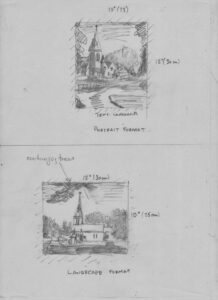
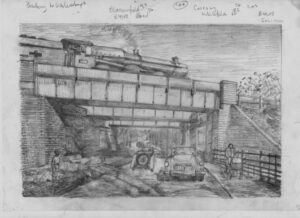
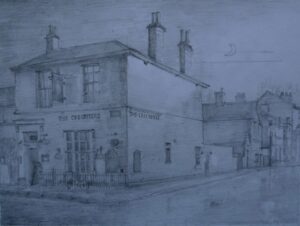
A preparatory sketch or storyboard is vital in creating a vision of what the final painting or composition might look like on completion in my opinion.
If I am creating a surreal montage image from my imagination, a few thoughts usually emerge in my mind based on the genre and elements found in using photographic material I have available
I then prepare a rough sketch.
I might wake up early in the morning and go into my studio and create a rough sketch, before I forget it.
I then develop this into a tighter sketch and sometimes further ideas come to me while I am sketching which might give the final image more impact.
When I start the painting process on the canvas, I usually upscale the sketch in front of me first, so that I get the proportions right and how it will finally look.
Black and white tones or shades need to be achieved or if it is in colour, approximate colour shades.
Then once large areas are painted in, I then add detail to them along with finer tones, gradually tightening up the look and feel of the painting.
Further thoughts on how I can achieve more impact on the final painting may come into my mind as I paint.
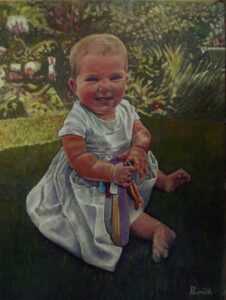
When I undertake a commission from an art lover I always consider it an honour.
The commissioner/client lets me know what they have in mind and then they usually give me appropriate photographic material to help me create a sketch.
I usually prepare two sketches depending on the brief so that he or she has a alternative choice for the final look of the painting.
Once the commissioner has approved the sketch I then proceed with the final painting and so the commissioner knows more or less what the finished painting will look like.
Depending on what is required, a painting sometimes might take some considerable time to complete and this will have been discussed with the commissioner at the outset.
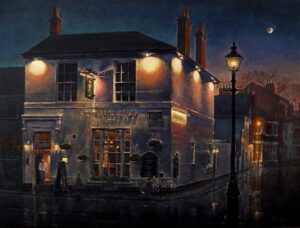
Sometimes I am inspired by looking at published photographs and I can visualise how I could change the look of the photo into a painting which does not infringe on copyright with the photographer.
I usually use several photographs of the same subject to help me as a guide to achieve the final look and mood of a new painting.
A painting can sometimes give the viewer something extra that perhaps a photograph cannot.
I am grateful to photographers out there past and present who have had the realisation to capture moments in time and in turn have inspired me, the artist, to capture some nostalgia from bygone days.
Many of the published photographs I have used as a guide over the years have been found in reference books which I often located in public libraries, before the Internet came to the fore..
Some of my paintings have been created through my own photography taken insitu..
A few of my canal paintings are a prime example.
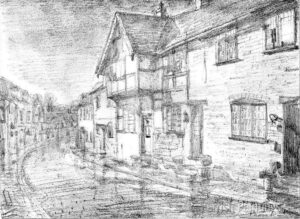
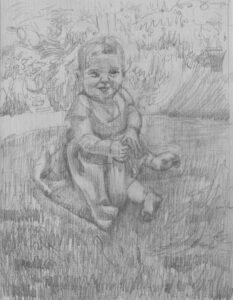
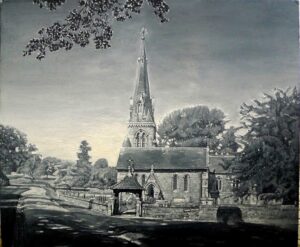
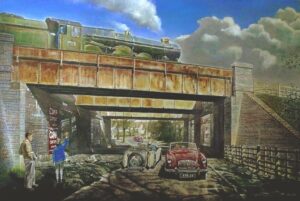
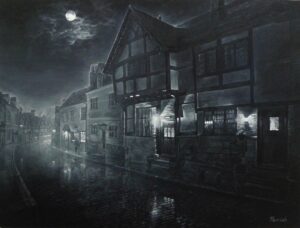
Please see examples of how I develop a painting below.